Optimize Energy Efficiency With Roof Skylights: Spend Less While Transforming Your Home
Rooftop skylights provide a practical solution for property owners aiming to boost overall energy savings. By capturing daylight, they can significantly lower energy bills and enhance interior comfort levels. Moreover, skylights help create a warmer and welcoming environment, complementing various architectural styles. However, choosing the appropriate style and ensuring proper installation are necessary for gaining the most advantages. Recognizing these key considerations can result in well-informed choices that revolutionize a residence's energy performance. What aspects should residents consider?
How Installing Roof Skylights Boosts Energy Efficiency and Saves You Money
Roof skylights revolutionize spaces by capturing natural light, significantly boosting energy efficiency. By allowing sunlight to penetrate deeper into a home, skylights reduce the reliance on artificial lighting during the day. This natural light source not only illuminates interiors more effectively but also results in decreased electricity consumption. Additionally, many modern skylights are designed with energy-efficient glazing that minimizes heat loss in winter and reduces heat gain in summer. This feature helps maintain a stable indoor temperature, thus decreasing the demand for heating and cooling systems. Consequently, homeowners may notice a considerable decrease in their energy bills. Additionally, thoughtfully positioned skylights can enhance ventilation, encouraging airflow and decreasing humidity levels, which may further contribute to energy savings. Ultimately, the installation of roof skylights stands as a sound investment for boosting energy efficiency in home environments.
Skylights: Save on Energy Bills and Increase Comfort
Skylights flood interiors with light while also reducing energy costs and improving comfort. By letting natural light enter living areas, skylights reduce reliance on artificial lighting, resulting in decreased electricity consumption. This not only leads to reduced energy costs but also supports a healthier interior atmosphere, as natural light has been proven to boost mood and productivity.
Additionally, skylights can enhance temperature regulation when correctly fitted. Contemporary designs often include dual glazing and low-e coatings, which reduce heat loss during the colder season and minimize heat gain during warmer seasons. This regulation of inside temperatures works to maintain a pleasant environment all year long, further decreasing the need for heating and cooling systems.
As homeowners place greater emphasis on energy efficiency, the incorporation of skylights provides an effective solution. By leveraging the power of the sun, skylights act as a multifaceted feature—promoting both cost savings and a more inviting living space.
The Visual Charm of Roof Skylights
While enhancing energy efficiency is a significant benefit, the visual charm of skylights should not be underestimated. These structural elements revolutionize interiors by filling them with natural light, establishing a welcoming ambiance that artificial lighting rarely achieves. The movement of sunlight across the day brings a lively character to indoor spaces, highlighting textures and colors.
Moreover, skylights can function as remarkable focal points, improving the general design of a room. They offer clear views of the sky and surrounding landscape, making spaces feel larger and in touch with nature. Diverse designs and sizes empower homeowners to customize skylights to their particular aesthetic desires, whether modern or traditional.
Ultimately, the addition of skylights not only elevates energy efficiency but also elevates the aesthetic appeal of a home, promoting a more comfortable atmosphere.
Picking the Perfect Roof Skylights for Your Home
Selecting the appropriate roof skylights requires understanding the different varieties on the market and their individual advantages. Furthermore, correct installation and continuous upkeep are vital for maximizing energy performance and long-term durability. This overview will assist property owners in navigating these important factors.
Roof Skylight Types
Picking the suitable roof skylight type can significantly improve both the aesthetics and energy efficiency of a property. There are various types of skylights to evaluate. Non-opening skylights, which do not open, are well-suited for optimizing natural light intake without ventilation requirements. Ventilated skylights allow for airflow, assisting in reducing indoor humidity and enhance air quality. Solar tube skylights are compact and efficient, funneling light from the roof to inside spaces, making them suitable for tighter spaces. As for materials, skylights made of glass frequently offer better thermal insulation compared to plastic options, while low-emissivity glazing can increase energy efficiency. In the end, determining the right type relies on specific needs, architectural style, and individual energy performance targets.
Setup and Maintenance Guidelines
Installing roof skylights can greatly enhance a home's natural light and energy efficiency, but thorough evaluation is necessary for the best results. Property owners should begin by examining the roof's construction to verify it can handle the skylight placement. Choosing the right type—fixed, vented, or tubular—depends on the desired light, ventilation, and aesthetic appeal. Proper placement is essential; ideally, skylights should be installed where they can capture maximum sunlight without obstructing views or compromising privacy.
Routine maintenance is equally essential. Residents are advised to check seals and flashing for potential leaks, wash the glass panels to preserve visibility, and check for any debris that may block light. By adhering to these recommendations, homeowners can enjoy the benefits of skylights while securing longevity and performance.
How to Set Up Your Skylights: Key Steps and Useful Tips
Fitting skylights demands thoughtful evaluation of location and the right equipment for the job. Choosing an ideal spot guarantees maximum natural light and energy efficiency, while keeping necessary installation tools readily available facilitates the process. This guide will outline the essential steps and tips for a successful skylight setup.
Picking The Perfect Location
Where should one place skylights to maximize natural light and energy efficiency? Optimal positioning requires taking into account the building's orientation and the sun's trajectory. South-facing skylights capture the most sunlight, making them perfect for passive heating. In contrast, skylights facing north offer consistent, soft light without excessive heat buildup, ideal for spaces that require bright light without glare. Care should be taken to avoid spots where obstructions like trees or nearby structures could block sunlight. Additionally, placing skylights in high-traffic areas such as kitchens and living rooms enhances natural lighting and improves ambiance. In addition, evaluating the roof pitch and framework ensures appropriate water drainage and lowers the likelihood of leakage. Thoughtful location selection will greatly contribute to energy efficiency and overall home comfort.
Key Installation Tools
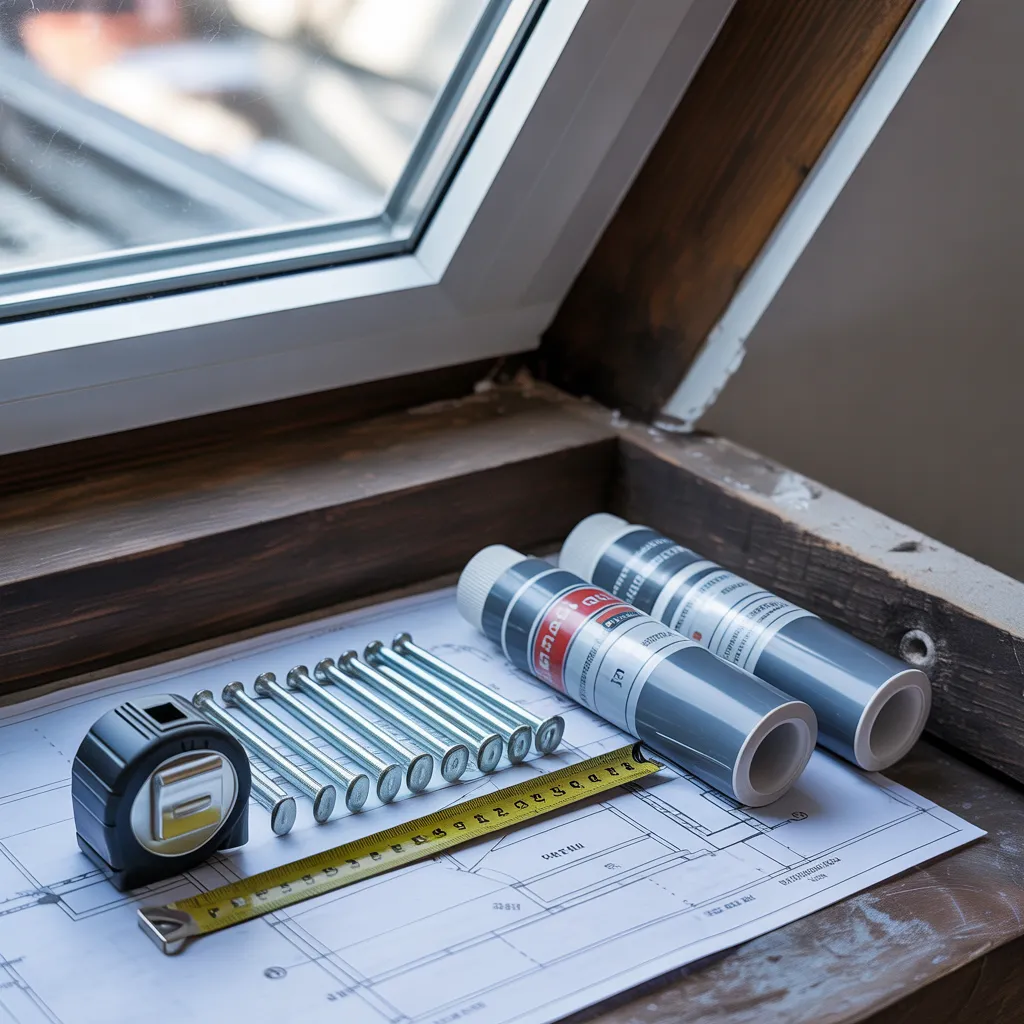
Equipping oneself with the correct tools is crucial for a successful skylight installation. A comprehensive toolkit should include a tape learn the facts measure for exact measurements, a level to confirm proper alignment, and a utility knife for cutting roofing materials. Moreover, a drill with suitable bits is required for securing the skylight firmly. Safety equipment, such as gloves and goggles, shields against potential hazards during installation. A caulking gun is important for spreading sealant to prevent leaks, while a hammer and roofing nails guarantee a durable installation. Having a helper can also expedite the process, making it simpler to maneuver and place the skylight. With these vital tools, homeowners can accomplish a smooth and effective skylight installation, enhancing their living spaces.
Important Maintenance Advice for Long-Lasting Skylights
Preserving skylights on your roof is vital for guaranteeing their durability and optimal function. Periodic examinations should be conducted to spot any underlying concerns, such as leaks or cracks in the frame and glazing. Washing the skylights no fewer than two times per year is necessary; this involves employing a soft cloth alongside a mild detergent to remove dirt and debris, which can block natural light and diminish visual appeal.
Moreover, checking weatherseals and stripping aids in preventing air and water infiltration, ensuring overall energy performance. Homeowners should prune any branches overhead that might harm the skylights when storms occur. Additionally, homeowners should inspect and clean gutters to prevent water buildup that could affect the skylight's structure. In conclusion, enlisting professional assistance for maintenance and repair work can extend the lifespan of the skylights, guaranteeing they keep improving both the aesthetic appeal and energy efficiency of the home.

Frequently Asked Questions
Do Skylights Increase Home Resale Value
Skylights are capable of increasing a home's selling price by amplifying natural light, enhancing the overall aesthetics, and appealing to energy-conscious buyers. Their capacity to establish a more appealing living space often makes properties with skylights more desirable in the market.
Are Skylights Effective at Reducing Reliance on Artificial Lighting?
Skylights can substantially minimize the need for electric lighting by letting natural sunlight brighten interior spaces. This enhances ambiance while possibly reducing energy expenses, rendering homes more welcoming and environmentally friendly over time.
How Do Skylights Impact Indoor Temperature Variations?
Skylights can help moderate indoor temperature fluctuations by offering natural light and thermal energy. During sunny days, they enable the absorption of solar energy, while at night, they can discharge built-up warmth, contributing to a more stable indoor environment.
Are There Tax Incentives for Installing Skylights?
Indeed, tax incentives for skylight installation are potentially available, based on regional guidelines and energy-saving initiatives. Property owners should explore existing credits or rebates that support energy-saving home improvements, skylight installations included.
Do Skylights Improve Indoor Air Quality?
Skylights have the ability to boost indoor air quality by facilitating natural air circulation and decreasing dependence on artificial lighting. This introduction of fresh air and sunlight serves to lower humidity and encourages a more healthful living space overall.